

The Middle East Changed Overnight. We Had a Panel by Morning.
How the Whitefish Security Summit assembled a world-class panel on the Iran strikes in under 24 hours — and why that ability is the whole point.
The bombs had already fallen. It was the evening of April 1st — the day before the 2026 Whitefish Security Summit was set to open — and it was unmistakably clear that the event could not proceed as if the world hadn’t just changed. The question wasn’t whether to address it. The question was how fast we could do it right.
This is the kind of moment that exposes the difference between a conference and a convening. Most events would have scrambled, apologized, and added a panel for next year. We had a panel on the floor of WSS 2026 within hours — credentialed, contextual, and substantive.
The ability to do this isn’t luck. It’s the whole architecture of what we’ve built.
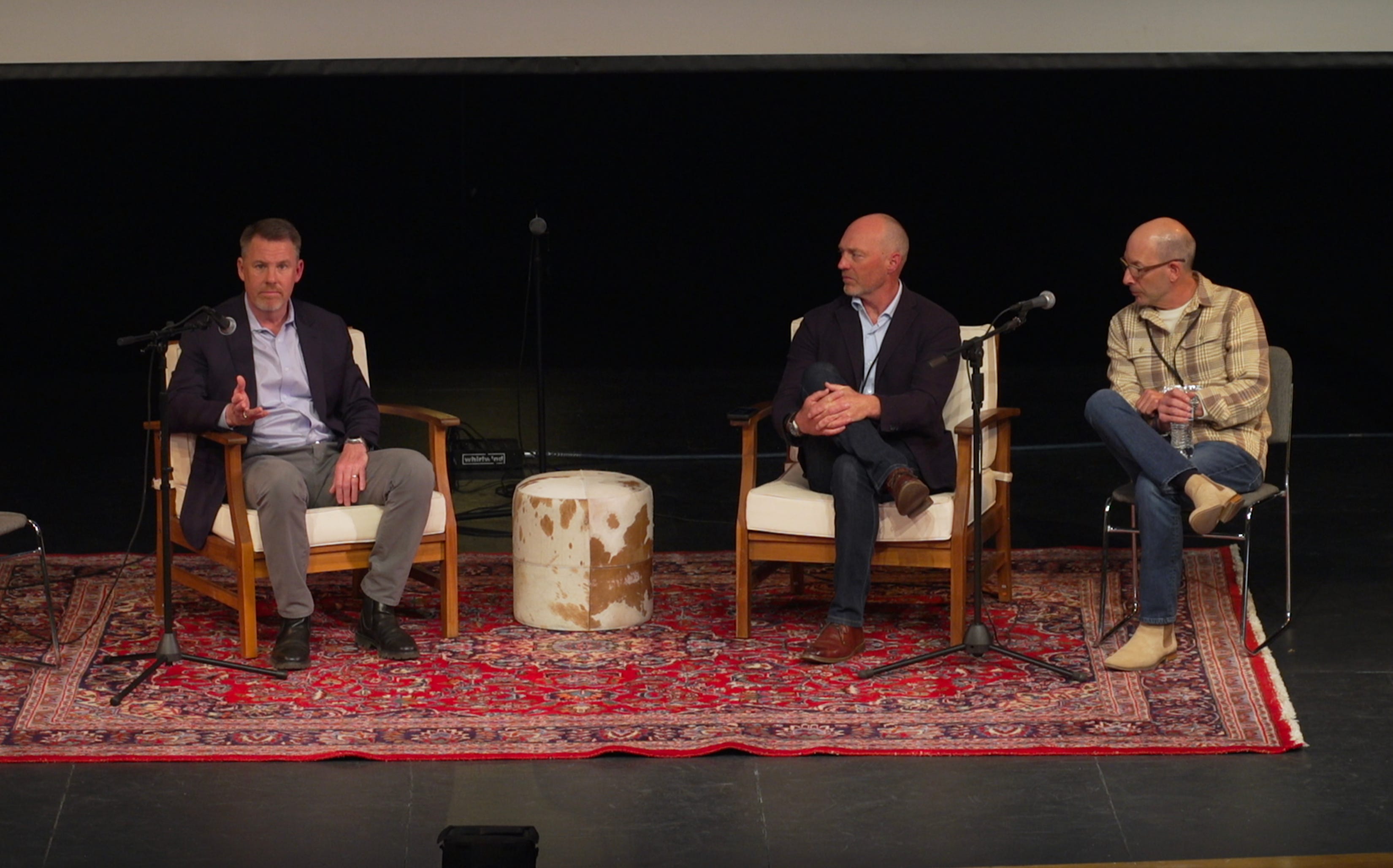
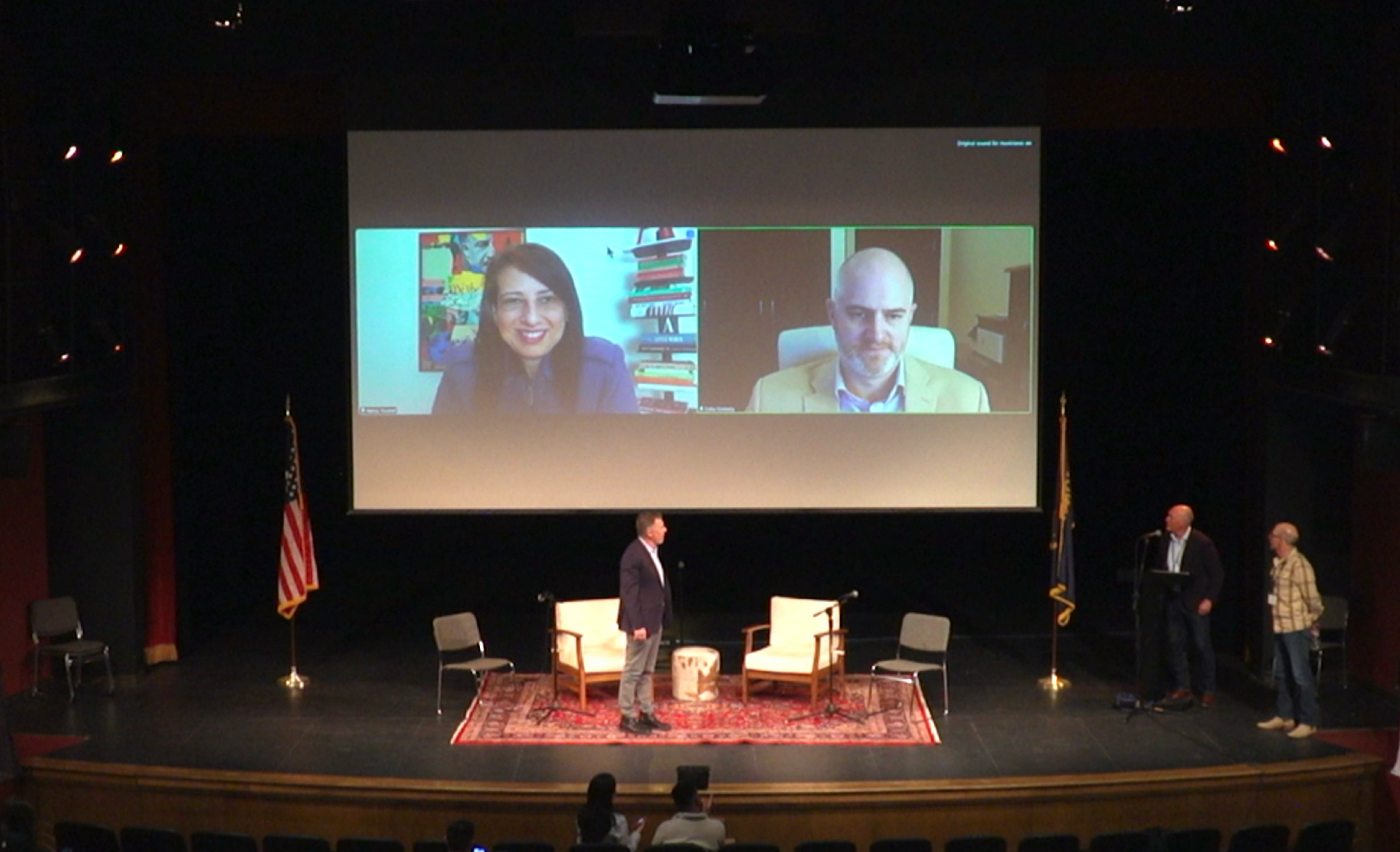
Nancy Youssef, national security correspondent and one of the most respected voices on U.S. military operations, joined remotely as moderator. Colby Connelly of Energy Intelligence provided the energy economics lens — critical context given Iran’s position in global oil markets and the downstream consequences of any sustained campaign. On the ground in Whitefish, we had Mick Mulroy and Eric “Olly” Oehlerich of the Lobo Institute, both of whom have operational histories in that region that few in any room could match. And seated with them: Tony DeMario, EVP at Strider Technologies, whose CIA career included a posting as Chief of Operations for Iran andCounterterrorism.
Put that panel together on a stage anywhere else in the world on 24 hours’ notice and it would be considered extraordinary. At WSS, it was Tuesday.
Panel — assembled in under 24 hours
Nancy Youssef National security correspondent, The Atlantic — Moderator, Remote
Colby Connelly Senior Analyst, Energy Intelligence — Energy Economics, remote
Mick Mulroy Co-founder, Lobo Institute — former Deputy Asst. Secretary of Defense; CIA Paramilitary Officer
Eric “Olly” Oehlerich Co-founder, Lobo Institute — Commanding Officer, DEVGRU Squadron Two
U.S. Navy (Ret.)
Tony DeMario EVP, Strider Technologies — former CIA Chief of Operations, Iran & Counterterrorism (Ret.)
The panel ranked in the top three of the entire summit in post-event attendee surveys. That outcome didn’t surprise us — but it confirmed something important. The practitioners in that room weren’t looking for analysis they could find on cable news or in a think-tank PDF. They were looking for the conversation that happens between people who have actually operated in that space. The panel delivered exactly that.
The WSS model is built on a simple but hard-to-replicate premise: when you spend years cultivating genuine relationships with the people who matter — the operators, the intelligence officers, the energy economists, the defense policymakers — you can call on them when the moment demands it. Not in six weeks. Not after a program committee review. Now.
National security doesn’t pause for event calendars. The Whitefish Security Summit was designed with that reality in mind. What you saw on April 2nd is what that design looks like under pressure.
Thank you to our 2026 sponsors, who all believed in our mission and whose support made panels like this one possible: Strider Technologies, Red5, Helio Risk, Ledlow Security Group, 5 Stones Intelligence, Acorn Capital Management, IN Network, and Four Branches Bourbon.
WSS 2027 opens February 24th in Whitefish, Montana. Theme: Rings of Disruption — The 2027 Threat Landscape. Sponsorship and attendance inquiries are open now.